Module 6 - Stress Relief: A Review for Elementary Character Education
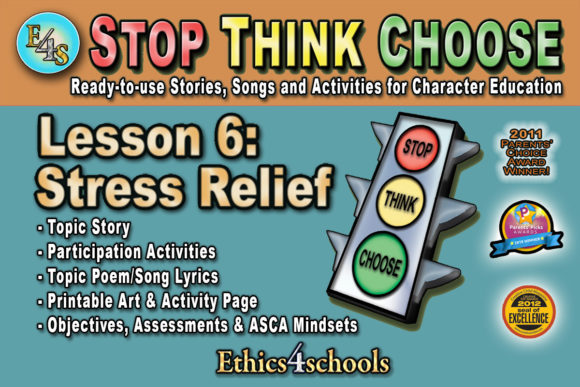
Addressing the emotional well-being of young children requires structured, age-appropriate interventions that go beyond simple reassurance. Module 6 - Stress Relief from the Ethics4schools Stop Think Choose Character Education Book offers a comprehensive framework designed to help students ages 2 to 10 navigate feelings of fear, powerlessness, and anxiety related to life upheavals. For educators, counselors, and parents evaluating character education resources, understanding the specific components, pedagogical approach, and alignment with professional standards is essential before implementation.
Understanding the Core Framework
The primary objective of this module is to equip elementary school children with tangible tools to minimize worries and manage stress. Unlike abstract discussions on mental health, this curriculum utilizes a multi-sensory approach. It integrates storytelling, music, art, and interactive activities to make complex emotional concepts accessible to early learners. The content specifically addresses the sensation of powerlessness, a common trigger for anxiety in children facing changes such as moving homes, family restructuring, or broader societal shifts.
The structure follows the "Stop, Think, Choose" methodology, encouraging students to pause before reacting emotionally, consider their options, and make constructive choices. This cognitive-behavioral foundation is adapted for developmental stages ranging from preschoolers to pre-teens, ensuring that the language and activities remain relevant across the age spectrum.
Key Components and Methodology
Evaluators should note that the module relies heavily on engagement rather than passive listening. The inclusion of full-sing and karaoke songs serves a dual purpose: it provides a rhythmic anchor for memory retention and offers a non-threatening medium for expressing difficult emotions. Music often bypasses defensive barriers in young children, allowing them to internalize coping mechanisms more effectively than through lecture alone.
Art activities are another critical pillar. By externalizing their fears through drawing or crafting, students can visualize their anxieties and discuss them objectively. This process transforms vague, overwhelming feelings into manageable subjects. Additionally, the module includes assessment questions that allow facilitators to gauge comprehension and emotional progress, providing data-driven insights into the effectiveness of the intervention.
Alignment with Professional Standards
A significant advantage of Module 6 - Stress Relief is its deliberate alignment with the American School Counselor Association (ASCA) objectives. The curriculum incorporates the ASCA Mindsets and Behaviors Program Planning Tool, ensuring that the activities support broader educational goals. Specifically, it targets mindsets related to self-confidence and behaviors associated with healthy coping strategies. For schools seeking to justify character education expenditures through compliance with national counseling standards, this alignment provides necessary validation.
The module supports ASCA’s focus on helping students develop skills to manage emotions and maintain positive relationships. By explicitly linking activities to these recognized benchmarks, the program facilitates integration into existing school counseling frameworks without requiring extensive additional planning.
Benefits and Practical Applications
For educators and parents, the practical benefits of this module are evident in its versatility. It is particularly effective in situations where children exhibit behavioral regression due to stress, such as increased aggression, withdrawal, or difficulty concentrating. The structured nature of the lessons provides consistency, which is itself a calming factor for anxious children.
- Early Intervention: Suitable for ages 2 to 10, allowing for early development of emotional regulation skills.
- Multi-Modal Learning: Combines auditory, visual, and kinesthetic learning styles to reach diverse learners.
- Measurable Outcomes: Assessment tools provide clear metrics for tracking student progress.
- Standard Compliance: Directly supports ASCA guidelines, aiding in program justification and reporting.
The story-based approach helps children identify with characters facing similar challenges, reducing feelings of isolation. When a child sees a protagonist successfully navigate fear using the "Stop, Think, Choose" method, they are more likely to emulate that behavior in real-life scenarios.
Considerations and Tradeoffs
While the module offers robust tools, potential users must consider certain tradeoffs. The reliance on music and art requires facilitators to be comfortable leading these activities. Educators who prefer strictly textual or lecture-based instruction may find the energetic, participatory nature of the karaoke and craft sessions challenging to manage without proper preparation. Furthermore, the effectiveness of the art components depends on having adequate supplies and time allocated for creative expression, which may strain tight classroom schedules.
Another consideration is the age range breadth. While the module claims suitability for ages 2 to 10, the cognitive gap between a toddler and a fifth grader is significant. Facilitators may need to adapt the complexity of the discussion questions and the sophistication of the art projects to ensure they remain engaging for older children while remaining accessible to younger ones. A one-size-fits-all delivery may not maximize impact across the entire spectrum.
When This Module Is a Strong Fit
This resource is an ideal choice for schools and families prioritizing proactive mental health education. It is particularly strong in environments experiencing collective stress, such as post-disaster recovery or during periods of significant community change. Schools with established counseling departments looking for supplemental, standards-aligned materials will find the ASCA integration invaluable. Additionally, homeschooling parents seeking a structured yet flexible approach to teaching emotional intelligence will benefit from the ready-made lesson plans and resources.
It is also well-suited for group settings where peer support can be leveraged. The shared experience of singing and creating art fosters a sense of community, helping children realize that their peers share similar fears. This collective normalization of stress is a powerful therapeutic element that individual therapy cannot always replicate.
When Alternatives May Be Worth Considering
Conversely, if the primary goal is clinical treatment for diagnosed anxiety disorders, this module should be viewed as a supplement rather than a replacement for professional therapy. While it teaches coping skills, it is not designed to address severe psychological trauma. In cases where children exhibit extreme distress or functional impairment, referral to a licensed mental health professional is necessary.
Additionally, institutions with strict limitations on screen time or audio equipment may find the karaoke component logistically difficult. In such cases, text-heavy curricula or discussion-based programs might offer easier implementation, though they may lack the engaging, multi-sensory appeal of this module. If the facilitator lacks confidence in leading musical or artistic activities, the core benefits of the program may not be fully realized.
Making the Decision
Choosing Module 6 - Stress Relief depends on your specific educational goals and resource availability. If you seek a holistic, engaging, and standards-aligned tool to build resilience in young children, this module offers a compelling package. Its strength lies in transforming abstract emotional concepts into concrete, actionable skills through play and creativity. However, success requires a willingness to embrace active participation and adapt content to specific age groups within the 2–10 range. By carefully weighing these factors against your current needs, you can determine if this character education resource aligns with your mission to support student well-being.