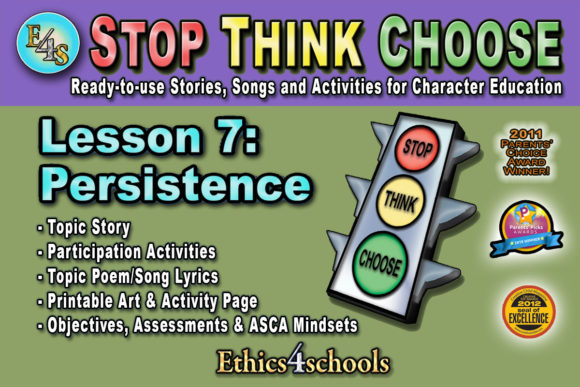
Cultivating Grit: A Comprehensive Guide to Module 7 - Persistence in Character Education
In the landscape of modern education, academic proficiency is often prioritized over character development. However, educators and psychologists increasingly recognize that traits such as resilience, determination, and tenacity are just as critical for long-term success. Module 7 - Persistence from the Ethics4school Stop Think Choose Character Education Book offers a structured, engaging, and evidence-based approach to teaching these vital skills. This module is not merely a theoretical framework; it is a practical toolkit designed to help elementary school children navigate adversity, manage frustration, and maintain focus on their personal goals.
The concept of persistence is frequently misunderstood as simple stubbornness. In reality, it is a complex cognitive and emotional process that involves self-regulation, goal-setting, and the ability to recover from setbacks. By integrating storytelling, music, art, and interactive activities, Module 7 - Persistence transforms abstract concepts into tangible experiences for young learners. This article explores the components of this module, its alignment with professional counseling standards, and its practical application in diverse educational settings.
The Narrative Foundation: Learning Through Storytelling
At the heart of Module 7 - Persistence is a compelling narrative that serves as the anchor for all subsequent lessons. Stories are powerful pedagogical tools because they allow children to empathize with characters facing challenges similar to their own. The story within this module typically features a protagonist who encounters a significant obstacle—whether it is learning a difficult skill, resolving a conflict, or completing a challenging project.
Through the protagonist’s journey, students observe the internal dialogue associated with giving up versus pressing on. They see the emotional toll of frustration and the eventual satisfaction of overcoming barriers. This narrative structure helps children externalize their own struggles, making it easier to discuss feelings of defeat or anxiety in a safe, non-judgmental environment. Educators can use the story to initiate discussions about what persistence looks like in real life, moving beyond the classroom to sports, hobbies, and family dynamics.
Musical Integration: Full-Sing and Karaoke Engagement
Music is a universal language that resonates deeply with elementary-aged children. Module 7 - Persistence leverages this connection through full-sing and karaoke songs specifically composed to reinforce the theme of not giving up. These songs are not mere background noise; they are integral learning aids that embed key messages into memory through rhythm and rhyme.
The full-sing versions allow the entire class to participate together, fostering a sense of community and shared purpose. Singing together can boost morale and create a positive emotional association with the concept of hard work. Conversely, the karaoke versions provide an opportunity for individual or small-group performance, encouraging confidence and public speaking skills. The lyrics often contain actionable affirmations, such as "I can try again" or "Mistakes help me learn," which students can internalize and recall during moments of difficulty. This auditory reinforcement complements the visual and kinesthetic elements of the module, creating a multi-sensory learning experience.
Artistic Expression and Creative Activities
Visual arts and hands-on activities provide another avenue for exploring persistence. Module 7 - Persistence includes structured art projects that require patience and iterative effort. For example, students might engage in a collage activity where they must layer materials carefully, or a drawing exercise that requires multiple drafts to achieve the desired result. These activities are designed to be challenging enough to induce mild frustration, providing a controlled environment for practicing coping strategies.
During these activities, educators guide students to recognize their emotional responses when things do not go as planned. They encourage techniques such as deep breathing, positive self-talk, and breaking tasks into smaller, manageable steps. By linking artistic creation with emotional regulation, the module helps children understand that struggle is a natural part of the creative process and that perseverance leads to greater satisfaction with the final product.
Alignment with Professional Standards: ASCA Mindsets and Behaviors
One of the strongest attributes of Module 7 - Persistence is its alignment with the American School Counselor Association (ASCA) objectives. Specifically, it supports the ASCA Mindsets and Behaviors Program Planning Tool, which outlines the knowledge, skills, and attitudes students need to achieve academic success, college and career readiness, and social/emotional development.
The module directly addresses several key ASCA standards, including:
- B-LS 7: Identify long- and short-term academic, career, and social/emotional goals.
- B-SE 5: Demonstrate persistence, initiative, and flexibility in solving problems.
- M 3: Understand that change is a natural part of life and how to adapt to it.
By mapping the module’s activities to these standards, educators can ensure that their character education efforts are not isolated events but part of a comprehensive school counseling program. This alignment also facilitates data collection and assessment, allowing schools to measure the impact of character education on student outcomes. It provides a common language for counselors, teachers, and administrators to discuss student progress and identify areas where additional support may be needed.
Practical Implementation Strategies for Educators
Implementing Module 7 - Persistence effectively requires more than just following the lesson plan verbatim. Educators must adapt the content to meet the diverse needs of their students. Here are several strategies for maximizing the module’s impact:
- Create a Safe Environment: Ensure that the classroom is a place where mistakes are viewed as learning opportunities. Model persistence yourself by sharing personal stories of challenges you have overcome.
- Differentiate Instruction: Recognize that students have different learning styles. Some may respond better to the musical components, while others may prefer the artistic or narrative elements. Offer choices in how students demonstrate their understanding of persistence.
- Integrate Across Subjects: Reinforce the theme of persistence in other subjects. For example, in mathematics, highlight the value of working through difficult problems. In physical education, discuss the importance of practice in improving athletic skills.
- Involve Families: Send home resources that explain the concept of persistence and suggest ways parents can encourage it at home. This creates consistency between school and home environments, reinforcing the lessons learned in class.
Assessment and Reflection: Measuring Growth
Assessment in character education is often qualitative rather than quantitative. Module 7 - Persistence includes a variety of assessment questions and reflection prompts designed to gauge students’ understanding and application of persistence. These assessments are not intended to grade students on their character but to provide feedback on their progress and identify areas for further development.
Reflection questions might include:
- Describe a time when you wanted to give up. What did you do instead?
- How did it feel when you finally accomplished your goal?
- What strategies helped you keep going when things got difficult?
These questions encourage metacognition, helping students become aware of their own thought processes and emotional responses. Over time, educators can track changes in students’ responses to identify trends and evaluate the effectiveness of the module. Additionally, observational checklists can be used to note behaviors such as task completion, help-seeking, and resilience in the face of failure.
Real-World Relevance and Long-Term Benefits
The skills taught in Module 7 - Persistence extend far beyond the elementary classroom. In today’s rapidly changing world, the ability to adapt, persevere, and maintain focus is essential for success in higher education, the workforce, and personal relationships. Employers consistently rank resilience and problem-solving as top desirable traits in candidates. By instilling these values early, educators are preparing students for future challenges.
Furthermore, persistence is closely linked to mental health and well-being. Individuals who believe they can overcome obstacles are less likely to experience anxiety and depression. They possess a growth mindset, viewing challenges as opportunities for growth rather than threats to their self-worth. Module 7 - Persistence contributes to this positive psychological framework, empowering children to take ownership of their learning and their lives.
In conclusion, Module 7 - Persistence from the Ethics4school Stop Think Choose Character Education Book is a robust, multifaceted resource for teaching one of the most critical life skills. Through its integration of story, song, art, and alignment with ASCA standards, it provides a holistic approach to character education. For educators, counselors, and parents committed to nurturing resilient, determined, and successful individuals, this module offers a proven pathway to achieving those goals. By embracing the principles of persistence, we equip the next generation with the tools they need to thrive in an unpredictable world.