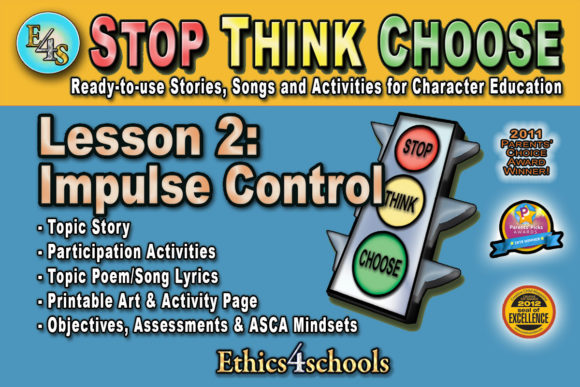
Designing for Impulse Control
In the fast-paced world of digital media, capturing attention is only half the battle; retaining it requires a deliberate pause. This concept mirrors the educational philosophy found in Module 2 - Impulse Control from Ethics4school’s Stop Think Choose Character Education Book. Just as children ages 2 to 10 learn to model stopping to think before making a bad decision, graphic designers must master the art of intentional visual communication. By integrating principles of mindfulness into our design workflow, we create assets that resonate deeply rather than merely shouting for attention.
The complete Impulse Control module bundle offers more than just stories and activities; it provides a framework for thoughtful engagement. For creative professionals, this translates into a strategic approach to visual design. When we apply the "Stop, Think, Choose" methodology to our projects, we move beyond trendy aesthetics to create meaningful brand identity systems. This mindset ensures that every element, from typography to color palette, serves a specific purpose in guiding the user’s journey.
Applying Mindful Design to Brand Identity
Effective logo design and branding rely on clarity and consistency. Much like the assessment questions in the Module 2 curriculum help reinforce learning, a strong brand system reinforces recognition. When developing marketing materials, consider how visual hierarchy can guide the viewer’s eye naturally. Instead of overwhelming the audience with excessive information, use whitespace and balanced composition to encourage a moment of reflection. This approach enhances user experience by reducing cognitive load and fostering a sense of trust.
The music video "Eight Seconds to Think" included in the bundle highlights the power of brief pauses. In web design and UI design, these pauses can be simulated through micro-interactions and transitional animations. These subtle cues allow users to process information before taking action, leading to higher conversion rates and reduced error rates. By training mindfulness into elementary school children, the American School Counselor Association’s objectives align surprisingly well with modern UX best practices: clarity, patience, and informed decision-making.
Enhancing Visual Communication Across Media
Whether you are working on editorial design, packaging design, or social media graphics, the principle of impulse control remains vital. It encourages designers to evaluate their choices critically before finalizing assets. Here are key areas where this mindful approach elevates creative projects:
- Typography: Select fonts that reflect the tone of the message. Avoid decorative typefaces for body text to ensure readability and professional presentation.
- Color Palette: Use color psychology to evoke the desired emotional response. A restrained palette often communicates sophistication and stability better than a chaotic mix.
- Imagery: Choose images that tell a story. Authentic visuals engage audiences more effectively than generic stock photos, reinforcing the narrative behind the brand.
- Composition: Balance elements to create visual harmony. Use grid systems to maintain alignment and structure, ensuring that the design feels organized and intentional.
In digital marketing campaigns, the temptation to follow every new design trend can lead to inconsistent branding. By pausing to think, marketers can assess whether a trend aligns with their core values and long-term goals. This strategic restraint helps maintain a cohesive brand identity across all touchpoints, from advertising campaigns to merchandise and digital products.
Practical Tips for Thoughtful Asset Creation
To integrate these concepts into your daily practice, start by auditing your current creative assets. Are they communicating clearly, or are they cluttered? Evaluate each element for its contribution to the overall message. Consider the following steps to refine your design inspiration process:
- Define the Goal: Clearly articulate what the design needs to achieve. Is it to inform, persuade, or entertain?
- Know the Audience: Understand who will interact with the design. Tailor the visual language to meet their expectations and needs.
- Iterate with Purpose: Create multiple versions, but critique each one against your initial goals. Remove elements that do not add value.
- Test for Clarity: Ensure that the message is immediately understandable. Use feedback loops to identify areas of confusion.
By adopting the disciplined approach modeled in the Stop Think Choose book, designers can produce work that is not only visually appealing but also functionally superior. This method supports modern aesthetics while ensuring that the core message remains intact. It transforms graphic design from a purely decorative task into a strategic tool for communication.
Ultimately, the quality of your creative output depends on the thoughtfulness behind each decision. Embracing a mindset of impulse control allows you to craft designs that stand the test of time. Whether you are refining a typography scheme or structuring a complex UX design, remember that the most impactful designs are those created with intention, clarity, and a deep respect for the viewer’s experience.