Cute Textbook Characters: Boosting Engagement
In the evolving landscape of educational design and digital content creation, visual appeal plays a pivotal role in how information is received. Cute Textbook Characters have emerged as a powerful tool for bridging the gap between dry academic material and learner engagement. These are not merely decorative elements; they are strategic assets that humanize learning materials, making complex subjects more approachable and memorable. Whether you are an educator designing a curriculum, a marketer creating explainer videos, or a publisher refreshing a classic literature series, understanding the utility of these illustrated mascots can significantly enhance your output.
The Psychology Behind Approachable Design
The concept behind cute textbook characters relies heavily on established psychological principles. When learners encounter a friendly face, such as a funny school book mascot with expressive features, their cognitive load decreases. The brain processes familiar, non-threatening imagery faster than abstract text blocks. This immediate connection reduces anxiety, particularly in subjects known for being challenging, like mathematics or advanced literature.
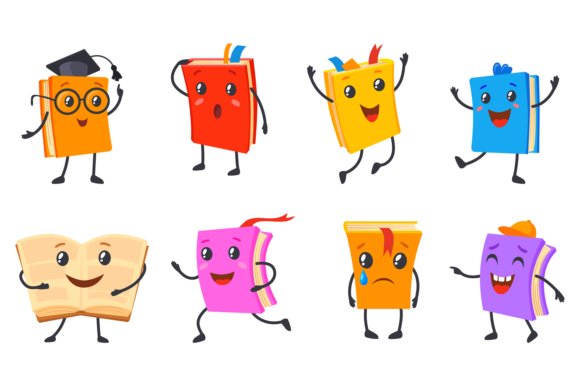
Consider the specific aesthetic often associated with this trend: cute books literature books with sad face eyes hands. This particular style leverages empathy. A character that appears slightly vulnerable or emotive invites the user to help, learn, or engage further. It transforms a static object into a companion. For adults aged 20–50 who may be returning to education or managing professional development, this subtle emotional cue can make the difference between abandoning a course and completing it.
Key Characteristics of Effective Educational Mascots
To leverage these assets effectively, one must understand what makes them work. High-quality Cute Textbook Characters share several distinct traits that set them apart from generic clip art.
- Expressive Minimalism: The best designs use simple lines to convey complex emotions. A childish emoji style allows for instant recognition without visual clutter.
- Versatile Formats: Professional usage requires flexibility. Assets available in both EPS (vector) and JPG (raster) formats ensure scalability. Vector illustrations maintain crispness whether printed on a small bookmark or displayed on a large classroom projector.
- Contextual Relevance: A cartoon icon vector illustration should align with the subject matter. A science mascot might hold a beaker, while a literature guide might clutch a quill, yet both maintain the same cohesive "cute" aesthetic.
Practical Applications Across Industries
The utility of these characters extends far beyond elementary school classrooms. Professionals across various sectors are finding innovative ways to integrate these visuals into their workflows.
Enhancing Digital Learning Platforms
For e-learning developers and instructional designers, Cute Textbook Characters serve as navigational guides. Instead of standard arrows or buttons, a textbook study mascot can point to the next module or celebrate a quiz completion. This gamification element increases retention rates. When users associate positive reinforcement with a friendly character, they are more likely to return to the platform daily.
Branding for Educational Publishers
Publishers facing stiff competition in the literature education market can differentiate their brands through consistent character design. Imagine a series of textbooks where each subject has its own unique mascot. Over time, these characters become brand ambassadors. Students recognize the quality and tone of the material before even reading the title. This builds trust and loyalty, which is crucial for long-term commercial success.
Content Marketing and Social Media
Marketers and bloggers in the education niche can use these assets to break up long-form content. A well-placed funny school book mascot can illustrate a point about study habits or time management more effectively than a stock photo of a stressed student. These images are highly shareable on social media platforms, driving organic traffic and engagement. The relatable nature of childish emoji styles resonates with audiences looking for light-hearted, yet informative content.
Selecting the Right Assets for Your Project
When evaluating Cute Textbook Characters for your next project, consider the following practical factors to ensure maximum impact and usability.
- Licensing and Usage Rights: Always verify the license terms. Commercial projects require different permissions than personal use. Ensure that the EPS and JPG files come with clear rights for modification and redistribution if needed.
- Style Consistency: If you are building a comprehensive course or brand identity, ensure all characters share the same line weight, color palette, and proportion. Mixing disparate styles can look unprofessional and distract the viewer.
- Emotional Range: Look for sets that offer a variety of expressions. A character that only smiles may feel forced in serious contexts. Having options for confusion, concentration, joy, and even the aforementioned sad face eyes allows for nuanced storytelling.
- Technical Quality: Check the resolution of JPGs and the node structure of EPS vectors. Clean vectors are easier to edit and recolor, which is essential for matching your brand guidelines.
Maximizing User Experience Through Visual Storytelling
The ultimate goal of using Cute Textbook Characters is to improve the user experience. In professional and educational settings, clarity is king. These characters act as visual anchors, guiding the eye through dense information. They break monotony and provide mental rest points, allowing the brain to process information more efficiently.
For entrepreneurs and business owners, this translates to better communication. Whether you are creating internal training manuals or customer-facing guides, approachable visuals reduce friction. A cartoon icon vector illustration can explain a process step quicker than a paragraph of text. This efficiency saves time for both the creator and the consumer.
Moreover, these characters foster a sense of community. When learners or customers see the same mascot across different touchpoints—emails, websites, physical books—they feel a sense of familiarity. This consistency builds rapport. In an increasingly digital world, that human touch, even if illustrated, is invaluable.
Future Trends in Educational Illustration
As technology advances, the application of these characters will likely expand into interactive and augmented reality environments. Imagine a textbook study mascot that pops up in 3D via a smartphone app to explain a difficult concept. The foundational assets created today—high-quality EPS and JPG files—will be the building blocks for these future innovations. Investing in versatile, high-quality character designs now positions creators to adapt seamlessly to emerging technologies.
In conclusion, Cute Textbook Characters are more than a passing trend; they are a functional design strategy. By combining aesthetic appeal with psychological insight, they enhance learning, strengthen branding, and improve communication. For professionals willing to integrate these tools thoughtfully, the rewards include higher engagement, better retention, and a more distinctive presence in their respective fields.