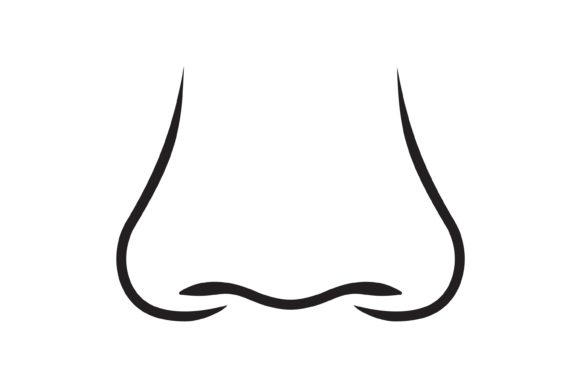
Integrating Nose Vector Illustration Assets into Professional Design Workflows
In the expansive world of digital design, specific anatomical elements often serve as critical building blocks for broader visual narratives. A nose vector illustration is far more than a simple graphic component; it is a versatile asset that bridges the gap between abstract artistic expression and precise educational utility. Whether you are developing a character for an animated series, creating medical diagrams for a healthcare publication, or designing engaging materials for early childhood education, understanding how to effectively source, modify, and implement these isolated graphical elements can significantly streamline your creative process.
The utility of a well-crafted nose illustration lies in its adaptability. Unlike raster images, which lose quality when scaled, vector graphics maintain crisp lines and smooth curves regardless of size. This makes them indispensable for professionals who need consistency across various media formats, from small mobile app icons to large-format print posters. By focusing on the structural integrity and stylistic coherence of these facial features, designers can ensure that their final outputs meet high standards of visual clarity and aesthetic appeal.
The Role of Anatomical Precision in Character Design
For illustrators and character designers, the nose is a defining feature that conveys personality, ethnicity, and emotion. When working with cartoon or abstract styles, the shape of the nose often dictates the overall tone of the face. A rounded, soft nose might suggest youthfulness or innocence, suitable for a kid or child character, while a sharp, angular line drawing might imply sophistication or sternness in an adult persona. Integrating a pre-made vector nose into your workflow allows you to experiment with these variations rapidly without redrawing the entire face from scratch.
Consider the workflow of a storyboard artist. Time is often limited, and the ability to swap out facial components quickly is invaluable. By maintaining a library of isolated nose vectors—ranging from simple line sketches to fully colored painting styles—you can assemble diverse characters efficiently. This modular approach supports rapid prototyping, enabling creators to test different looks before committing to final renders. The key is organization; tagging assets by style, such as "realistic," "stylized," or "minimalist," ensures that the right element is available at the right stage of the design process.
Educational Applications and Medical Accuracy
Beyond entertainment, vector illustrations of the nose play a crucial role in education and medicine. In biology textbooks or health awareness campaigns, accuracy is paramount. A detailed vector diagram can highlight the nostril, cartilage, and bone structure with precision that photographs sometimes obscure due to lighting or skin texture variations. These graphics serve as essential teaching tools, helping students and patients understand the anatomy of the human face and the mechanics of smell.
When creating content for school curricula or medical brochures, the clarity of the illustration directly impacts comprehension. Using isolated elements allows educators to layer information progressively. For instance, a basic outline of the face can be presented first, followed by the addition of the nasal cavity to explain respiratory functions. This step-by-step visual buildup is only possible with high-quality, editable vector files. Designers working in this sector must prioritize clean paths and accurate proportions, ensuring that the graphic serves its instructional purpose without introducing visual clutter.
Technical Considerations for Seamless Integration
To maximize the effectiveness of a nose vector illustration, one must consider technical compatibility and usability. Most professional design software supports standard vector formats, but ensuring that layers are properly named and grouped can save hours of editing time. When downloading or purchasing assets, look for files that offer separate layers for the skin, lips, and other facial features if they are part of a larger set. This separation allows for independent manipulation of color and shape, providing greater flexibility during the customization phase.
- Color Consistency: Ensure the palette of the vector matches your project’s overall design system. Adjusting hues and saturation within the vector file is easier than trying to match colors after placement.
- Scalability: Test the illustration at various sizes to ensure that fine details, such as the curve of the nostril or the shadow under the tip, remain visible and distinct.
- File Weight: Optimize the number of anchor points. Excessive points can slow down rendering times, especially in complex compositions involving multiple characters or elements.
Furthermore, consider the background context. An isolated graphic on a white or transparent background offers the most versatility, allowing it to be placed over any color or texture without awkward edges. If the asset includes a dark or colored background, ensure it aligns with your layout requirements or use masking tools to isolate the subject effectively.
Enhancing Brand Identity and Marketing Materials
For marketers and small business owners, custom illustrations contribute significantly to brand identity. A unique stylistic approach to facial features can become a recognizable signature of your brand. Using a consistent style of nose illustration across your website, social media cards, and promotional book covers creates a cohesive visual language. This consistency builds trust and recognition among your audience, distinguishing your content from competitors who may rely on generic stock imagery.
When designing for beauty or skincare brands, the depiction of the nose and surrounding skin must convey health and vitality. Smooth gradients and soft lines can evoke a sense of purity and care. In contrast, bold, graphic lines might suit a tech startup or a modern fashion label. Understanding your target demographic helps in selecting the appropriate vector style. For a young audience, vibrant colors and playful shapes resonate well, whereas a corporate audience may prefer subdued tones and realistic proportions.
Workflow Optimization and Asset Management
Efficient use of vector assets requires a structured approach to asset management. Create a centralized repository for your design elements, categorizing them by type, style, and usage rights. This practice reduces search time and prevents redundant purchases or creations. When working on a large project, such as an animated series or a comprehensive educational platform, having immediate access to a variety of nose vectors allows for quicker iteration and feedback incorporation.
Collaboration is another area where organized vector libraries prove beneficial. When multiple designers work on the same project, standardized assets ensure visual uniformity. Sharing a common library of approved nose illustrations prevents discrepancies in style and proportion. Clear documentation regarding the modification rules for these assets helps maintain quality control, ensuring that all team members adhere to the established design guidelines.
Future-Proofing Your Design Resources
As design trends evolve, so do the expectations for visual content. Vector illustrations remain relevant because they are easily updatable. A nose design that feels current today can be tweaked tomorrow to fit new aesthetic preferences without losing its foundational structure. This longevity makes investing in high-quality vector assets a smart long-term strategy for freelancers and agencies alike.
Moreover, the rise of responsive design demands graphics that perform well on all devices. Vector files inherently support this requirement, scaling perfectly from desktop monitors to smartwatches. By integrating scalable nose illustrations into your toolkit, you future-proof your designs against technological changes, ensuring that your content remains sharp and professional regardless of the display medium.
In conclusion, the humble nose vector illustration is a powerful tool in the designer’s arsenal. Its applications span from creative character development to precise medical education, offering flexibility, scalability, and efficiency. By understanding how to integrate these assets into your workflow, managing them effectively, and adapting them to your specific needs, you can enhance the quality and impact of your visual communications. Whether you are sketching a quick concept or finalizing a polished publication, the right vector element can make all the difference in achieving a professional and cohesive result.