Streamlining Your Print-on-Demand Workflow with the Graduation Bundle Collection
In the fast-paced world of print-on-demand (POD) and digital design, efficiency is not just a luxury; it is a necessity. For creators, small business owners, and marketers targeting the education sector, the period leading up to graduation season represents a critical window of opportunity. However, capitalizing on this demand requires more than just a good idea—it demands a robust, scalable workflow. This is where the Graduation Bundle Collection becomes an indispensable asset. By integrating pre-made, high-quality design assets into your production pipeline, you can significantly reduce turnaround times while maintaining professional standards.
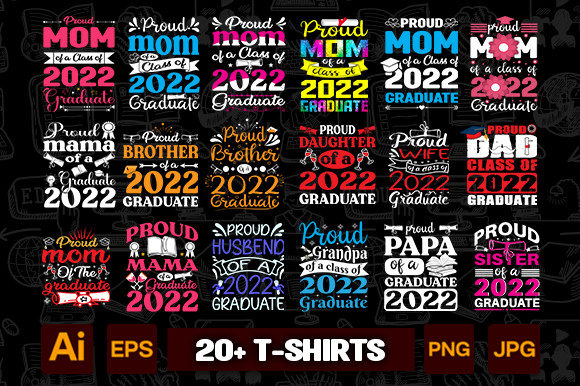
The Graduation Bundle Collection is not merely a folder of images; it is a strategic resource designed to fit seamlessly into various stages of the creative process. Whether you are preparing for a high school graduation rush or creating evergreen college merchandise, understanding how to leverage these assets can transform your operational capacity. This article explores how to effectively implement this bundle into your daily workflow, ensuring compatibility, consistency, and quality across all your printed products.
Understanding the Asset Structure and Compatibility
Before diving into design implementation, it is crucial to understand what you are working with. The Graduation Bundle Collection typically arrives as a compressed ZIP file. This format is standard for digital asset delivery as it preserves file integrity and reduces download sizes. To access the contents, you will need extraction software such as WinZIP, WinRAR, or the native extraction tools built into modern operating systems. A simple double-click often suffices, but for larger bundles, dedicated software ensures that no data is corrupted during the unpacking process.
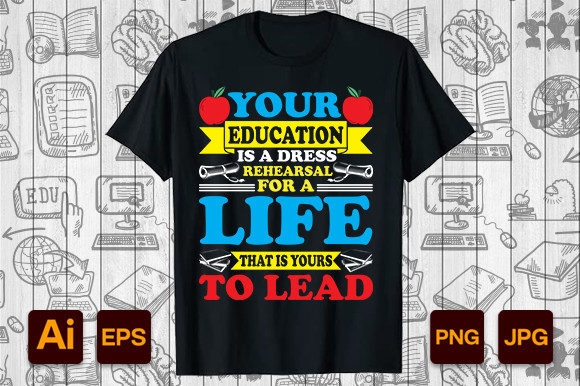
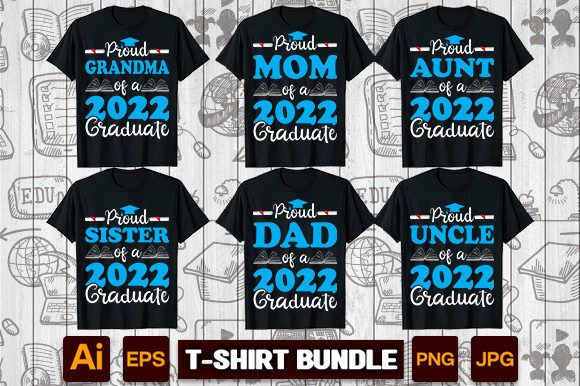
Once extracted, you will find a variety of file formats, each serving a specific purpose in the design ecosystem:
- AI (Adobe Illustrator): Ideal for designers who need full editability of vector paths. This format allows for precise adjustments to typography and shapes without loss of quality.
- EPS (Encapsulated PostScript): A universal vector format compatible with most professional design software, including CorelDRAW and Affinity Designer. It is essential for scaling designs to large formats like banners or pillows.
- PNG (Portable Network Graphics): These files come with transparent backgrounds, making them ready-to-use for direct upload to POD platforms. They are perfect for quick mockups and immediate product listing.
- JPEG (Joint Photographic Experts Group): Suitable for previews, social media marketing materials, or contexts where transparency is not required.
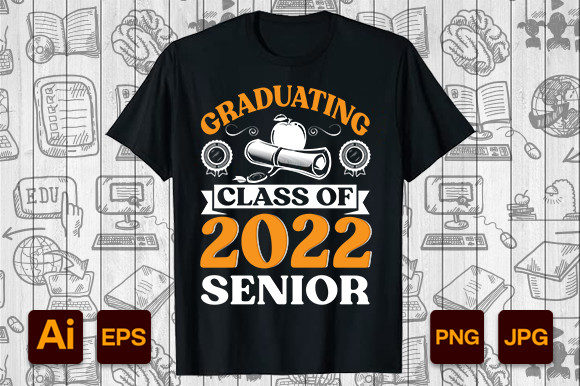
Understanding these formats allows you to choose the right tool for the job. For instance, if you are customizing a design for a specific client who wants their name added to a graduation hoodie, the AI or EPS files are your starting point. If you are listing a generic "Class of 2024" t-shirt on a marketplace, the PNG files may save you hours of work.
Integrating the Bundle into Your Design Workflow
The true value of the Graduation Bundle Collection lies in its versatility across different stages of a project. It can serve as the foundation for new creations, a shortcut for urgent orders, or a base for extensive customization. Here is how you can integrate these assets into practical workflows.
Pre-Production Planning and Mockup Creation
Effective planning begins before you even open your design software. Use the JPEG or low-resolution PNG files from the bundle to create rapid mockups. This step is vital for testing market interest. You can place these designs on virtual models wearing sweaters, jumpers, or holding mugs to visualize the final product. This phase helps in deciding which designs resonate with your target audience—whether it’s the proud parents, the graduating students, or the educational institutions themselves.
By using the bundle’s typography and graphic elements early in the planning stage, you ensure visual consistency across your brand. If you are launching a full line of graduation gear, including stickers, pillows, and apparel, having a unified design language is key to building brand recognition.
Customization and Personalization
One of the biggest trends in the POD industry is personalization. Customers want items that feel unique to their journey. The vector files (AI and EPS) in the Graduation Bundle Collection are fully editable. This means you can easily swap out names, dates, or school colors. For example, a design featuring the word "Graduated" can be customized with a specific university’s name or a student’s nickname.
When working with these vectors, maintain a layered structure in your design software. Keep the text elements separate from the graphical icons. This organization allows for quicker edits when handling multiple orders. If a customer requests a change from "High School" to "College," you can make the switch in seconds rather than redesigning the entire composition.
Scaling Across Product Types
A single design from the bundle can be adapted for multiple products, maximizing the return on your initial effort. The same graphic that looks striking on a T-shirt can be resized and repositioned for a mug, a pillow, or a sticker. However, each product has different technical requirements.
- Apparel (T-shirts, Hoodies, Sweatshirts): Ensure the design resolution is at least 300 DPI. Vector files are best here as they scale infinitely. Pay attention to the print area; a design that works on the chest of a t-shirt might need adjustment for the back of a hoodie.
- Hard Goods (Mugs, Pillows): These items often require wrap-around designs or specific aspect ratios. Use the EPS files to extend background elements or adjust the layout to fit the curved surface of a mug or the square shape of a pillow.
- Small Accessories (Stickers): Stickers require clean edges and bold lines. The high-contrast elements in the graduation bundle are well-suited for this. Ensure you create a clear cut line if your printing provider requires it.
Quality Control and Best Practices
While the Graduation Bundle Collection provides high-quality starting points, final output depends on your execution. Always perform a thorough quality check before sending files to print. Zoom in to 100% or more to inspect edges for pixelation, especially if you are using PNGs. If you notice any jagged edges, return to the vector source file and re-export at a higher resolution.
Color management is another critical factor. Screens display colors in RGB, while printers use CMYK. Although most POD platforms handle this conversion automatically, being aware of potential shifts is important. Bright neon colors on screen may appear duller in print. Test prints are recommended for new designs to ensure the educational and celebratory tone of the graduation theme is preserved accurately.
Additionally, organize your files systematically. Create folders for each product type or campaign. Store the original ZIP file in a secure backup location. Naming conventions matter; use descriptive names like "Grad_Bundle_Hoodie_Front_V1.ai" instead of generic names. This practice saves time when you need to revisit a design months later for a new graduation season.
Maximizing Long-Term Value
The utility of the Graduation Bundle Collection extends beyond a single season. Education is a perennial theme. While specific years change, the sentiment of achievement remains constant. You can reuse core design elements year after year, simply updating the date. This approach builds a library of evergreen assets that continue to generate revenue with minimal additional effort.
Furthermore, these designs can be mixed and matched with other resources. Combine the graduation typography with seasonal graphics or local school mascots to create niche-specific products. This flexibility allows you to cater to diverse segments, from elementary school promotions to university alumni events.
In conclusion, the Graduation Bundle Collection is more than a set of digital files; it is a catalyst for efficient, high-quality production. By understanding the file formats, integrating them into a structured workflow, and adhering to best practices in customization and quality control, you can streamline your operations. Whether you are a seasoned designer or a new entrepreneur, leveraging these assets allows you to focus on growth and customer engagement, knowing that your design foundation is solid, professional, and ready for print.