Maximizing Visual Impact with a 3D Rendered Playground Set for Your Design Projects
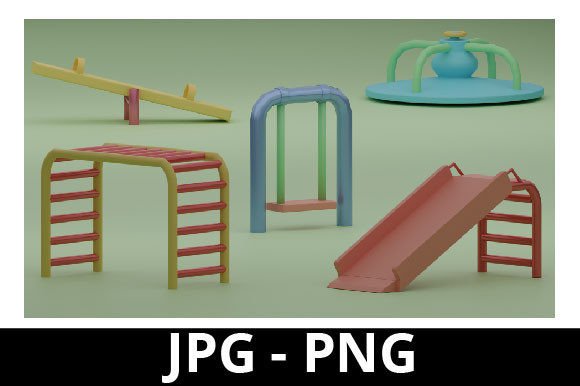
In the competitive world of architectural visualization, educational marketing, and product design, static blueprints often fail to capture the imagination of stakeholders. This is where a high-quality 3d Rendered Playground Set becomes an invaluable asset. Whether you are designing a new kindergarten layout, creating promotional materials for a preschool, or developing assets for a mobile game, the visual fidelity of your outdoor recreation areas can make or break the project’s appeal. However, simply downloading a generic model is rarely enough to achieve professional results. Many designers overlook critical details regarding lighting, scale, and context, leading to renders that feel sterile or unrealistic.
Understanding how to effectively integrate these digital assets requires more than just technical skill; it demands an eye for the playful, colorful nuances that define childhood environments. A well-executed render does not just show a slide or a swing; it evokes the feeling of fun, activity, and safe exploration. By avoiding common pitfalls in selection and presentation, you can ensure your work resonates with clients, parents, and educators alike.
The Trap of Generic Assets and Lack of Context
One of the most frequent mistakes designers make is treating a 3d rendering of playground equipment as a standalone object rather than part of a cohesive ecosystem. It is tempting to drop a pre-made slider or climbing structure into a scene and call it done. However, this approach often results in a disjointed image that lacks emotional weight. A toddler does not interact with a plastic playhouse in a vacuum; they interact with it in the context of a park, a school yard, or a backyard.
When you ignore the surrounding environment, the render fails to communicate the intended atmosphere. For instance, a bright, colorful swing set placed on a flat, textureless gray plane looks like a catalog image from the early 2000s. It lacks the warmth and cute charm necessary to appeal to parents or elementary school administrators. To avoid this, always consider the ground textures, nearby vegetation, and ambient lighting. The goal is to create a sense of outdoors recreation that feels lived-in and inviting.
Better Approach: Use the ZIP folder assets wisely. If your download includes JPG and PNG files, utilize the transparent PNGs to layer additional elements like falling leaves, shadows, or even subtle dust particles. This adds depth and realism, transforming a static object into a dynamic scene of playtime.
Misunderstanding Scale and Proportion
Another critical error involves the misjudgment of scale. Playground equipment is designed specifically for children and kids of varying ages. A ladder suitable for an elementary student is vastly different in proportion from one designed for a preschooler. When using a 3d Rendered Playground Set, failing to adjust the scale to match the target demographic can lead to confusing or unusable designs.
If you are creating visuals for a kindergarten project, oversized equipment can look intimidating rather than playful. Conversely, undersized equipment in a scene meant for older children can appear comical or unsafe. This mismatch affects the perceived usability and safety of the design. Clients looking for education-focused facilities need to see that the space is tailored to the physical capabilities of their students.
Practical Advice: Always reference real-world dimensions when placing your swinging sets or balance beams. Include human figures or proxy models of child characters in your scene to provide immediate visual context. This helps viewers instantly understand the size and accessibility of the game areas.
Overlooking Material Realism and Lighting
Playground equipment is typically made from durable plastic, metal, and rubber. A common oversight in 3d visualization is applying generic shaders that do not accurately reflect these materials. Plastic should have a specific type of subsurface scattering and reflectivity, while metal components need to show signs of wear or appropriate gloss levels. Flat, matte textures can make even the most intricate climbing structure look like a cheap toy.
Lighting plays an equally vital role. Outdoor scenes are governed by natural light, which changes throughout the day. A render lit with harsh, direct noon sunlight may wash out the colorful details of the slide and swing. On the other hand, soft morning or late afternoon light can enhance the cute and welcoming nature of the park setting. Ignoring these nuances results in images that feel artificial and uninviting.
Checklist for Quality:
- Ensure textures have appropriate roughness and reflection maps.
- Use HDRI environments to simulate realistic outside lighting conditions.
- Add soft shadows to ground the set and prevent it from looking like it is floating.
- Highlight the exercise and activity potential by angling lights to accentuate curves and interactive elements.
Neglecting the Emotional Narrative
Ultimately, a playground is about childhood, joy, and social interaction. A sterile 3d Rendered Playground Set that focuses solely on geometry misses the point. Viewers want to imagine their kid having fun there. If your composition is too rigid or symmetrical, it loses the organic, chaotic energy of real play.
To correct this, introduce elements of storytelling. Scatter a few balls near the playhouse, leave a swing slightly in motion, or position the equipment to suggest a flow of movement. These small details signal that the space is ready for recreation and education through play. It transforms the image from a technical demonstration into an aspirational vision of a happy, active child’s life.
By paying attention to context, scale, materiality, and narrative, you elevate your work from simple modeling to compelling visual communication. Whether you are a freelancer pitching to a local council or a marketer promoting a new line of outdoor toys, these adjustments ensure your 3d Rendered Playground Set delivers maximum impact and clarity.